From simulation to confident design decisions — faster.
We model, simulate, and analyse so your team spends less time on rework and more time building with confidence.
Why Zerodynamix
The specialist advantage
We don't just run simulations — we develop the methods, write the tools, and publish the results. From peer-reviewed research to a published textbook, from modelling scripts to a full CFD solver, and from conceptual design studies to optimisation of existing configurations.
Grounded in Peer-Reviewed Methods
We solve problems using techniques validated in peer-reviewed research — not practitioner rules of thumb. When we apply a method, we understand its derivation, its limits, and how to validate it.
We Add to the Field
We don't just apply existing knowledge — we create it. Our work on supersonic intake design became a textbook: Computational Design and Optimization of Supersonic Intakes (Routledge / CRC Press, 2025).
We Can Build New Tools
Our experience in scientific computing means we can write what the project needs — from small modelling scripts and post-processing utilities to full structured CFD solvers. We are the lead developer of FEST-3D, a modular multi-block RANS solver published in the Journal of Open Source Software.
A Decade of Specialisation
More than a decade of focused work in high-speed CFD — transition modelling, shock-wave/boundary-layer interaction, passive flow control, and supersonic intake optimisation. We have taken on challenging problems from conceptual design to optimising existing ones.
Track Record
Published. Proven. Open.
6+
Journal Papers
11+
Conference Papers
1
Technical Book
9+
Research Projects
Project Portfolio
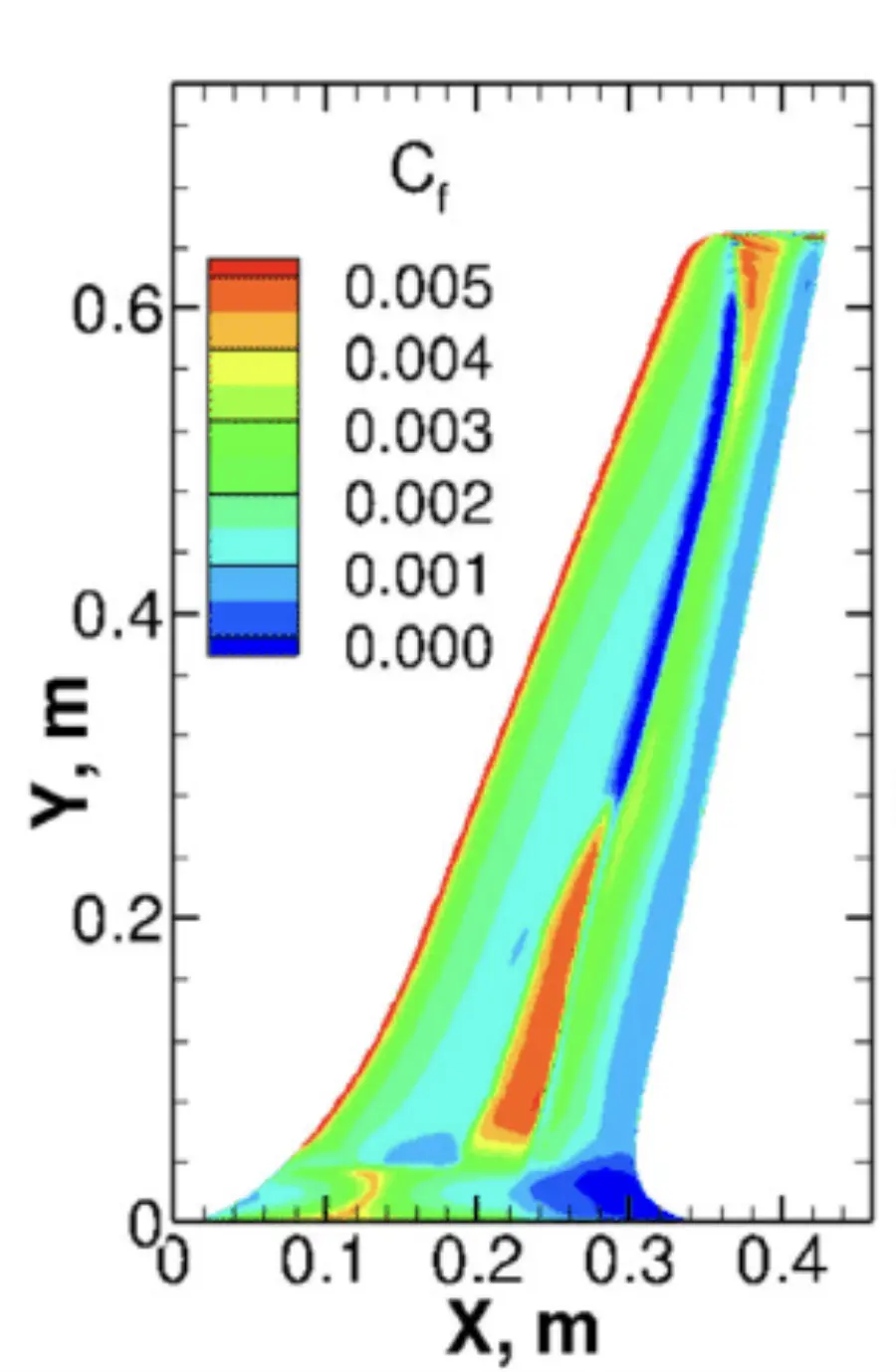
5 Technical Projects across High-Speed Aerodynamics
From supersonic intake optimisation and transition model development to porous-medium flow control and open-source CFD solver development — each project is backed by peer-reviewed publications.
View Project PortfolioGet in Touch
Have a CFD problem that needs solving?
Simulation studies, design optimisation, or an independent review of your existing pipeline — tell us what you're working on, and we'll give you an honest assessment of what we can do and what it will take.
info@zerodynamix.com